

Overview
In hospitality, returns are often driven by a gap between expectation and real-world performance: feel, durability, post-wash appearance, and maintenance. Clear technical specifications are essential to reduce complaints, control costs, and ensure a consistent guest experience.
1. Fabric Construction: The Performance Foundation
Fabric construction directly impacts performance:
– Percale: breathable, crisp, highly durable
– Sateen: softer and more lustrous, but more prone to wear
Percale is generally more reliable for hospitality environments

2. Thread Count: Expectation vs Reality
– Ideal range: 200–600 TC (single-ply)
– Higher counts do not necessarily mean better performance
– Yarn quality matters more than numbers
Clear specs prevent misleading expectations and reduce returns.
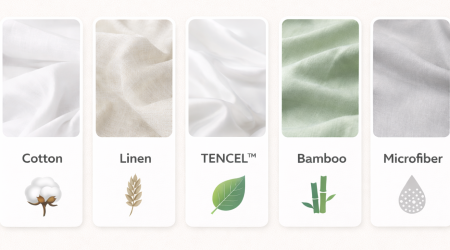
3. Fiber Type: Consistency and Durability
– Long-staple cotton: stronger, smoother, less pilling
– Lower-quality fibers: faster degradation
Consistency across production batches is critical in B2B.

4. Finishing Processes: Feel and Longevity
Key processes:
– Singeing: reduces pilling
– Mercerization: improves strength and dye uptake
– Controlled bleaching: visual consistency
Poor finishing is a major source of early complaints.
5. Dimensional Stability and Shrinkage
– Recommended tolerance: <3% shrinkage
– Pre-shrinking and testing are essential
Prevents fit issues and operational disruptions.
6. Clear Technical Specifications
Minimum checklist:
– Fabric construction
– Fiber composition and origin
– Real thread count
– Finishing processes
– Shrinkage tolerances
– Industrial washing guidelines
Conclusion
Reducing returns in hospitality is not about marketing claims but about textile engineering and specification discipline. Clear, realistic, and performance-driven specifications are key.
ACL Impex combines technical expertise, industrial capability, and certification standards to deliver premium bedding with consistent performance, helping hospitality clients reduce returns and ensure long-term reliability.