

Overview
“Soft” is probably the most overused word in the bedding industry.
Consumers ask for softness. Retailers promote softness. Brands build entire collections around softness. Yet very few people understand what actually creates it.
Contrary to popular belief, softness is not simply the result of using expensive cotton or increasing thread counts. In reality, softness is engineered through a combination of fibre selection, yarn construction, weaving techniques, finishing processes, and manufacturing expertise.
For brands developing premium bedding collections, understanding these factors is essential to creating products that not only feel luxurious on day one, but continue to perform after repeated washing and use.
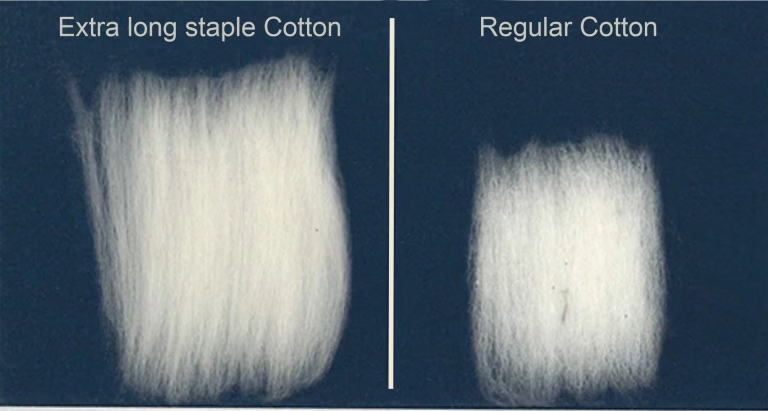
Softness Starts with the Fibre, But Does Not End There
Raw material selection is undoubtedly important.
Premium fibres such as Egyptian Cotton are valued because of their long staple length, which allows the production of finer, smoother and stronger yarns.
However, even the finest cotton can result in a disappointing fabric if the subsequent manufacturing processes are not properly controlled.
The fibre creates the foundation. The engineering creates the final experience.
Yarn Quality Plays a Critical Role
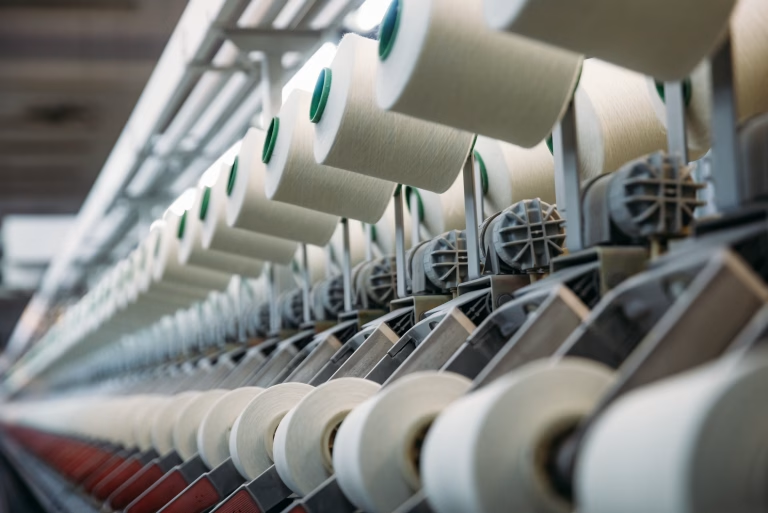
Before a fabric is woven, the cotton must be transformed into yarn.
The characteristics of that yarn directly influence:
- smoothness
- durability
- drape
- touch
- long-term performance
Factors such as:
- fibre alignment
- spinning quality
- yarn consistency
- yarn count
all contribute significantly to how soft a finished fabric will feel.
A superior yarn often creates a greater difference than simply increasing thread count.
Weave Construction Influences the Sensory Experience
Different weave constructions create different tactile sensations.
For example:
Percale
Offers:
- a crisp touch
- freshness
- breathability
- lightweight comfort
Sateen
Provides:
- greater smoothness
- a silkier hand feel
- more fluid drape
Neither construction is inherently superior. They simply deliver different luxury experiences depending on the target customer and intended use.
Successful bedding collections are built around matching fabric construction to customer expectations.
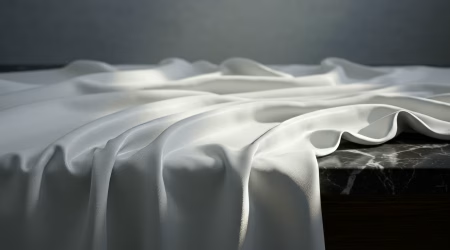
Finishing Processes Are Where Softness Is Refined
Many of the qualities consumers associate with softness are developed during finishing.
These processes may include:
- fabric washing
- mechanical softening
- calendaring
- brushing
- specialised finishing treatments
When correctly applied, finishing enhances:
- touch
- comfort
- appearance
- consistency
However, excessive finishing can create artificial softness that disappears after a few wash cycles.
Premium manufacturers focus on achieving authentic softness rather than temporary cosmetic effects.
Durability and Softness Must Work Together
One of the most common mistakes in product development is prioritising initial softness while neglecting long-term performance.
A fabric that feels exceptionally soft in a showroom may:
- pill easily
- lose structure
- deteriorate quickly
- disappoint end users
True premium bedding balances:
- softness
- strength
- durability
- wash performance
The goal is not simply to impress at first touch. The goal is to deliver satisfaction over years of use.

Thread Count Alone Does Not Guarantee Softness
Perhaps the biggest misconception in bedding is the belief that higher thread count automatically means a softer product.
In reality, softness depends on multiple variables working together:
- fibre quality
- yarn quality
- weave construction
- finishing techniques
- manufacturing expertise
This is why experienced textile professionals evaluate the complete fabric system rather than a single number.
Engineering Creates Consistency
Luxury is not defined by a single exceptional product.
Luxury is defined by consistency.
Brands that succeed in premium bedding require fabrics that deliver:
- predictable quality
- consistent softness
- reliable performance
- repeatable manufacturing standards
Achieving this level of consistency requires engineering, technical expertise, process control, and attention to detail throughout the entire manufacturing chain.
Conclusion
Softness is not a marketing slogan. It is the result of thousands of technical decisions made throughout the manufacturing process.
From fibre selection and yarn construction to weaving and finishing, every stage contributes to the final sensory experience that consumers associate with premium bedding.
For brands developing private label collections, understanding the science behind softness helps create products that deliver both immediate appeal and lasting performance.
At ACL Impex, we combine premium raw materials, technical expertise, and advanced manufacturing know-how to develop bedding collections where softness is carefully engineered, not simply advertised.